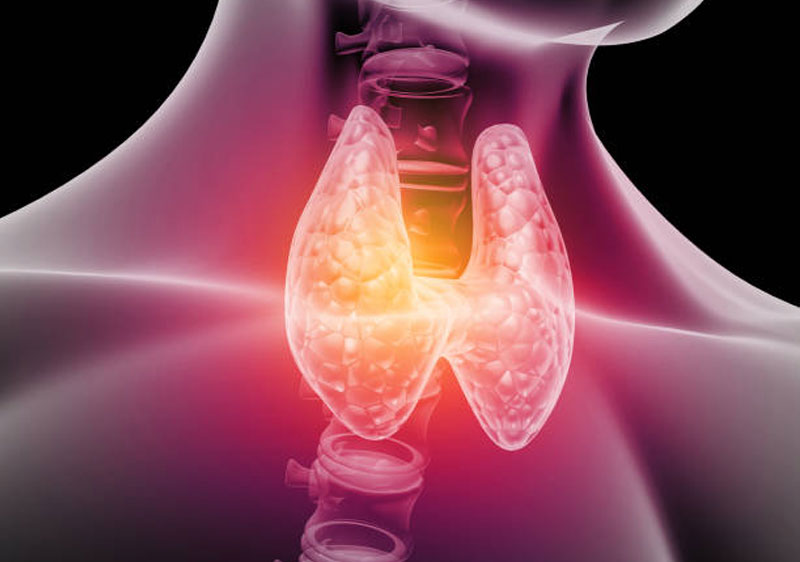
The thyroid is a butterfly-shaped gland located in the neck that produces hormones that regulate metabolism and play a vital role in the body's energy levels, growth, and development. When the thyroid gland is not functioning properly, it can lead to various thyroid disorders that may require treatment. Here is an overview of the thyroid and its treatment:
Hypothyroidism: Hypothyroidism occurs when the thyroid gland does not produce enough thyroid hormones. Treatment typically involves the use of synthetic thyroid hormone medication, such as levothyroxine, which is taken orally to replace the deficient hormones. Regular monitoring and adjustments of medication dosage may be necessary to maintain hormone levels within the normal range.
Hyperthyroidism: Hyperthyroidism is a condition in which the thyroid gland produces an excess of thyroid hormones. Treatment options may include:
- Medications: Antithyroid medications, such as methimazole or propylthiouracil, are used to inhibit the production of thyroid hormones. Beta-blockers may also be prescribed to manage symptoms such as rapid heart rate, tremors, and anxiety.
- Radioactive iodine therapy: Radioactive iodine is taken orally and selectively absorbed by the overactive thyroid cells. The radiation destroys these cells, reducing thyroid hormone production. This treatment is commonly used for long-term control of hyperthyroidism.
- Thyroid surgery: Surgical removal of part or all of the thyroid gland may be recommended in certain cases, such as when medications and radioactive iodine therapy are ineffective or not suitable. Surgery may also be necessary if there is a suspicion of thyroid cancer.
Thyroid nodules: Thyroid nodules are lumps or growths that can develop within the thyroid gland. Treatment options depend on the characteristics of the nodules and may include:
- Observation: In many cases, small, noncancerous nodules may be monitored over time to assess for any changes.
- Medication: If a nodule is causing hyperthyroidism, antithyroid medications may be prescribed to control hormone production.
- Fine-needle aspiration (FNA) biopsy: If there are concerns about the nodules being cancerous, a small sample may be taken using a thin needle for examination under a microscope.
- Surgery: Surgical removal of thyroid nodules may be recommended if they are suspicious for cancer, causing symptoms, or significantly enlarging.
Thyroid cancer: Treatment for thyroid cancer may involve surgical removal of the thyroid gland (total thyroidectomy) or a portion of it, followed by radioactive iodine therapy and/or thyroid hormone replacement therapy. Additional treatments such as external beam radiation therapy or targeted drug therapy may be used in more advanced cases.
It's important to consult with an endocrinologist or thyroid specialist who can properly diagnose and develop a treatment plan tailored to an individual's specific thyroid condition. Regular follow-up visits and ongoing monitoring of thyroid hormone levels are typically necessary to ensure proper management and adjustment of treatment as needed.