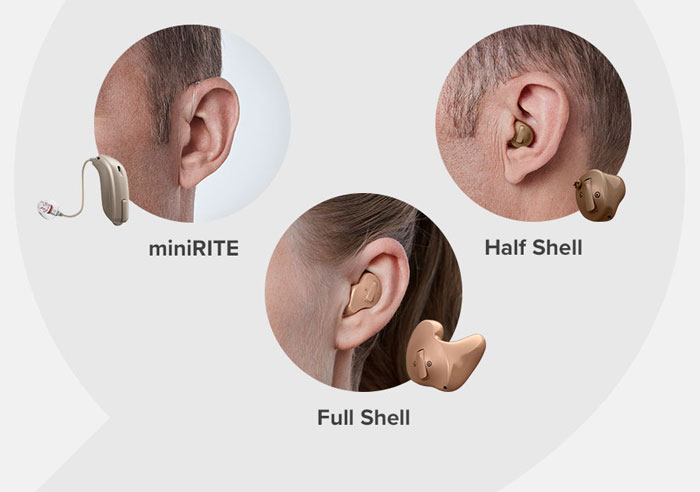
A hearing aid is a small electronic device designed to amplify and improve the hearing of individuals with hearing loss. It consists of a microphone to pick up sounds, an amplifier to increase the volume of those sounds, and a speaker to deliver the amplified sound into the ear. Modern hearing aids are often digital and can be customized to suit an individual's specific hearing needs.
Hearing aids come in various styles, including behind-the-ear (BTE), in-the-ear (ITE), in-the-canal (ITC), and completely-in-the-canal (CIC), among others. The choice of style often depends on factors such as the degree of hearing loss, personal preference, and the features the individual desires.
Key features and advancements in modern hearing aids include:
- Digital Signal Processing: Digital hearing aids process sound using advanced algorithms, allowing for better noise reduction, feedback cancellation, and customization of sound settings for different environments.
- Directional Microphones: Many hearing aids have directional microphones that focus on sounds coming from the front while reducing background noise from other directions.
- Wireless Connectivity: Some hearing aids can connect wirelessly to devices such as smartphones, TVs, and computers, enabling direct streaming of audio and improved communication.
- Rechargeable Batteries: Many hearing aids now come with rechargeable batteries, eliminating the need to constantly replace disposable batteries.
- Telecoil (T-coil): This feature allows hearing aid users to better hear sound from telephones and compatible public sound systems, such as in theaters and places of worship.
- Remote Control and Smartphone Apps: Some hearing aids can be controlled and adjusted remotely using a smartphone app, making it easier to personalize settings in different situations.
- Water and Dust Resistance: Some hearing aids are designed to be more durable and resistant to moisture, making them suitable for active individuals.
It's important to note that while hearing aids can significantly improve hearing and quality of life for many people with hearing loss, they may not be suitable for all types of hearing impairment. If you or someone you know is experiencing hearing difficulties, it's recommended to consult an audiologist or hearing healthcare professional. They can conduct a comprehensive assessment to determine the extent of the hearing loss and recommend appropriate solutions, which may include hearing aids or other interventions.