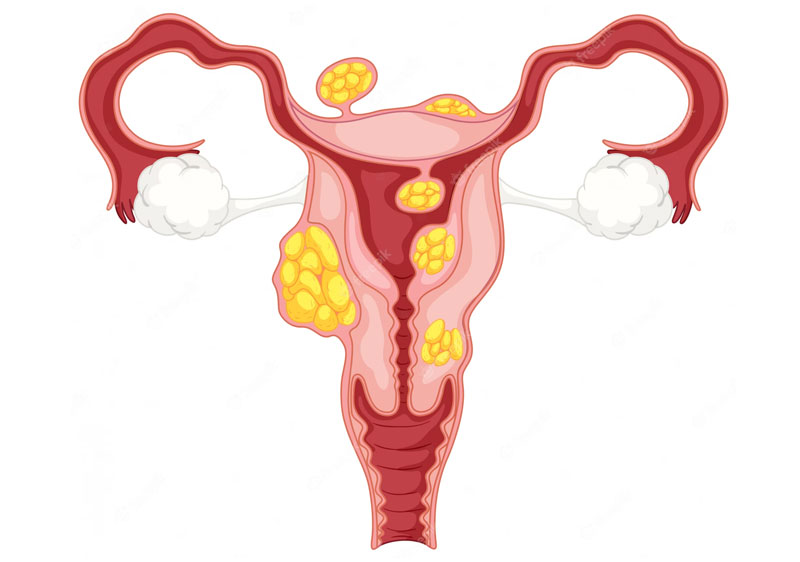
Fibroids, also known as uterine fibroids or leiomyomas, are non-cancerous growths that develop in the wall of the uterus. They are composed of muscle and fibrous tissue and can vary in size, ranging from small, undetectable nodules to large masses that can distort the shape of the uterus. Here are some key aspects of fibroids:
Symptoms: Many women with fibroids may not experience any symptoms. However, depending on the size, number, and location of the fibroids, they can cause various symptoms, including:
- Heavy or prolonged menstrual bleeding (menorrhagia)
- Pelvic pain or pressure
- Frequent urination
- Difficulty emptying the bladder
- Constipation
- Backache or leg pain
- Enlarged abdomen or a feeling of fullness
Causes: The exact cause of fibroids is not known. However, hormonal factors, primarily estrogen and progesterone, play a role in their growth. Genetic factors, family history, and certain hormonal imbalances may also contribute to their development.
Diagnosis: Fibroids are typically diagnosed through a pelvic examination or imaging tests, such as ultrasound, MRI, or hysteroscopy. These tests help determine the size, location, and number of fibroids present.
Treatment Options: The treatment of fibroids depends on the severity of symptoms, the desire for future fertility, the size and location of the fibroids, and the overall health of the individual. Treatment options may include:
- Watchful Waiting: If fibroids are small, asymptomatic, and not causing any complications, a "wait and see" approach may be adopted, with regular monitoring to ensure no significant changes occur.
- Medications: Medications, such as hormonal birth control, can help regulate heavy menstrual bleeding and relieve symptoms. Gonadotropin-releasing hormone (GnRH) agonists may also be prescribed to temporarily shrink fibroids.
- Uterine Fibroid Embolization (UFE): UFE is a minimally invasive procedure in which the blood supply to the fibroids is blocked, causing them to shrink. It is performed by an interventional radiologist.
- Myomectomy: Myomectomy involves the surgical removal of fibroids while preserving the uterus. It may be recommended for women who desire future fertility.
- Hysterectomy: In some cases, a hysterectomy, which involves the surgical removal of the uterus, may be the most appropriate treatment option, especially for women who have completed childbearing or for those with severe symptoms.
Alternative and Complementary Therapies: Some women may explore alternative and complementary therapies, such as herbal remedies, acupuncture, or dietary changes, to manage symptoms. However, evidence supporting the effectiveness of these approaches is limited, and it is essential to consult with a healthcare provider before trying any alternative treatments.
It is important for women with fibroids to have regular check-ups with their healthcare provider to monitor the size and growth of the fibroids and assess symptoms. The treatment approach should be individualized, taking into account the woman's specific circumstances, preferences, and overall health.