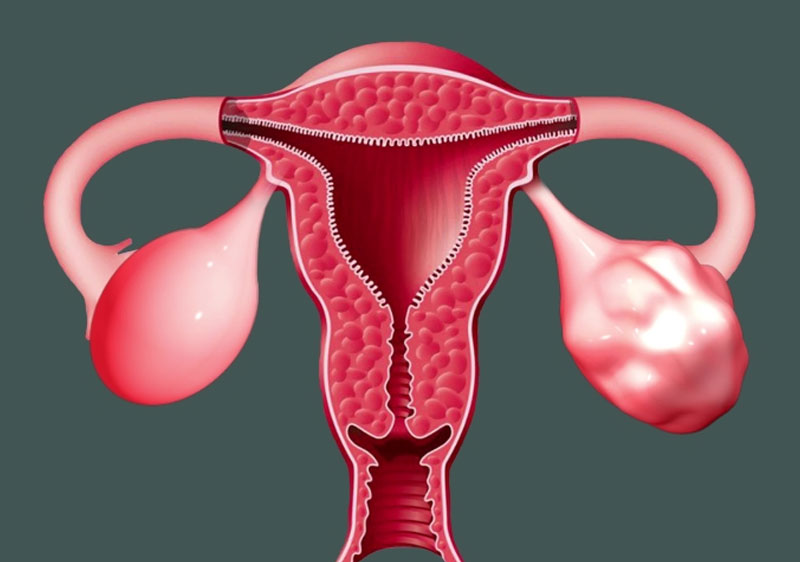
Polycystic ovary syndrome (PCOS) is a hormonal disorder that affects women of reproductive age. It is characterized by irregular menstrual cycles, excess androgen (male hormone) levels, and the presence of multiple cysts in the ovaries. The treatment of PCOS focuses on managing the symptoms and addressing the underlying hormonal imbalance. Here is an overview of PCOS treatment:
Lifestyle Modifications: Lifestyle changes are often the first-line treatment for PCOS. These modifications can include:
- Weight loss: If overweight or obese, losing weight through a combination of a healthy diet and regular exercise can help improve hormonal balance and regulate menstrual cycles.
- Healthy diet: Consuming a balanced diet that is low in refined carbohydrates and high in fruits, vegetables, whole grains, and lean proteins can help manage insulin resistance and support overall hormonal health.
- Regular exercise: Engaging in regular physical activity can help improve insulin sensitivity and regulate hormone levels. Aim for at least 150 minutes of moderate-intensity aerobic exercise per week.
Medications: Depending on the symptoms and specific concerns, the following medications may be prescribed:
- Oral Contraceptives: Birth control pills containing estrogen and progestin can help regulate menstrual cycles, reduce androgen levels, and improve acne and hirsutism (excessive hair growth).
- Anti-androgen medications: Medications such as spironolactone may be prescribed to block the effects of androgens, reducing symptoms like acne and hirsutism.
- Insulin-sensitizing medications: Metformin, a medication commonly used to treat type 2 diabetes, may be prescribed to help improve insulin sensitivity and regulate menstrual cycles in women with PCOS.
Fertility Treatment: For women with PCOS who are trying to conceive, fertility medications such as clomiphene citrate or letrozole may be prescribed to induce ovulation. In some cases, assisted reproductive technologies like in vitro fertilization (IVF) may be recommended.
Symptom-specific Treatments: Treatment options may be offered to manage specific symptoms of PCOS, such as acne, hirsutism, and hair loss. These can include topical or oral medications and cosmetic treatments like laser hair removal.
Regular follow-up with a healthcare provider is crucial to monitor the effectiveness of treatment and make any necessary adjustments. PCOS is a chronic condition, and long-term management is often required to control symptoms and maintain overall health. The treatment approach may vary based on an individual's specific needs, goals, and underlying health factors. It's important to work closely with a healthcare provider specializing in reproductive health, such as a gynecologist or endocrinologist, to develop a personalized treatment plan.