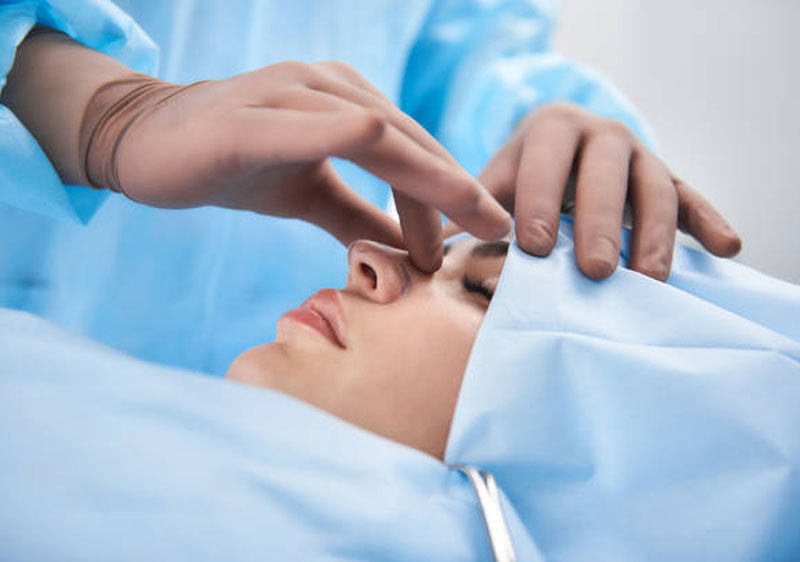
Rhinoplasty, commonly known as a "nose job," is a surgical procedure performed to reshape or reconstruct the nose for aesthetic or functional purposes. It can address various concerns, such as changing the size, shape, or proportions of the nose, correcting a deviated septum, or improving breathing difficulties. Here is an overview of rhinoplasty surgery:
Consultation: The process begins with a consultation with a qualified plastic surgeon or facial plastic surgeon who specializes in rhinoplasty. During this consultation, the surgeon will assess the patient's nose, discuss their desired goals, and evaluate the feasibility of achieving those goals through surgery. The surgeon will also explain the surgical techniques, potential risks and complications, and the expected recovery process.
Anesthesia: Rhinoplasty can be performed under general anesthesia, where the patient is asleep, or under local anesthesia with sedation, where the patient is relaxed and the nose is numbed. The choice of anesthesia depends on the complexity of the procedure and the surgeon's preference.
Incisions: Rhinoplasty can be performed using either an open or closed approach. In a closed rhinoplasty, incisions are made inside the nostrils, resulting in no visible external scars. In an open rhinoplasty, an additional small incision is made across the columella (the strip of tissue between the nostrils) to allow better access to the nasal structures. The choice of incision technique depends on the specific goals of the surgery.
Reshaping and Reconstruction: Once the incisions are made, the surgeon will reshape the underlying bone and cartilage to achieve the desired aesthetic or functional outcome. This may involve removing or adding tissue, refining the nasal tip, straightening a deviated septum, or adjusting the nasal bridge. The surgeon may use various techniques, such as osteotomies (controlled bone cuts), cartilage grafts, or sutures, to achieve the desired results.
Closure: After reshaping and reconstruction, the incisions are carefully closed using sutures. If the surgery involved an open approach, external sutures may be used to close the columellar incision.
Recovery: Following rhinoplasty, the patient will be monitored in a recovery area before being discharged. Swelling, bruising, and discomfort are common during the initial recovery period. The patient may be required to wear a nasal splint or external dressings to support the nose during the healing process. It is essential to follow the surgeon's post-operative instructions, including restrictions on physical activities, avoiding nasal trauma, and attending follow-up appointments.
Healing and Results: The full healing process after rhinoplasty can take several months. Swelling gradually subsides, and the final results become more apparent as the nose settles into its new shape. It's important to have realistic expectations about the outcome of rhinoplasty, as the final results may not be fully visible for several months.
Rhinoplasty is a complex procedure, and it's crucial to choose a qualified and experienced surgeon who specializes in nasal surgery. Each case is unique, and the specific techniques used will depend on the individual's goals and anatomical considerations. The surgeon will guide the patient through the process, explain the potential risks and benefits, and help determine the most appropriate approach to achieve the desired results.