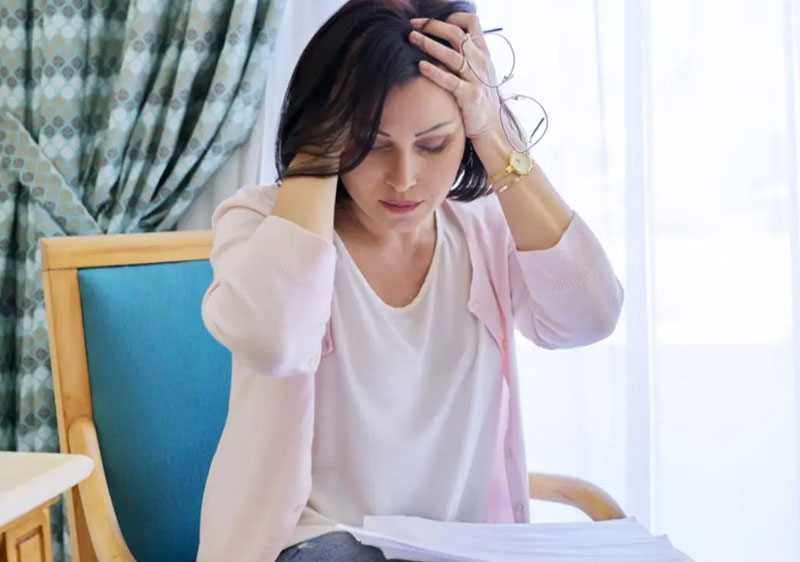
Menopause is a natural biological process that marks the end of a woman's reproductive years. It is defined as the absence of menstrual periods for 12 consecutive months, typically occurring between the ages of 45 and 55. Menopause is a normal part of aging and is associated with hormonal changes in a woman's body. Here are some key aspects of menopause:
Perimenopause: Perimenopause refers to the transitional phase leading up to menopause. During this time, women may experience irregular menstrual cycles, changes in hormone levels, and symptoms such as hot flashes, night sweats, mood swings, sleep disturbances, and vaginal dryness. Perimenopause can last several years before menopause is officially reached.
Hormonal Changes: Menopause is characterized by a decrease in the production of estrogen and progesterone, two hormones that regulate the menstrual cycle and support fertility. These hormonal changes can lead to various physical and emotional symptoms.
Symptoms: Common symptoms associated with menopause include hot flashes, night sweats, mood swings, irritability, fatigue, sleep disturbances, vaginal dryness, decreased libido, urinary changes, weight gain, and changes in skin and hair. However, the intensity and duration of these symptoms can vary greatly among women.
Long-Term Health Considerations: With the decline in estrogen levels, menopause is associated with an increased risk of certain health conditions. These can include osteoporosis (reduced bone density), cardiovascular disease, weight gain, and changes in cholesterol levels. It is important for women to maintain a healthy lifestyle, including regular exercise, a balanced diet, and preventive healthcare measures, to reduce the risk of these conditions.
Management and Treatment: There are various approaches to managing menopausal symptoms. Lifestyle modifications, such as maintaining a healthy diet, regular exercise, stress reduction, and adequate sleep, can help alleviate some symptoms. Hormone replacement therapy (HRT) is an option for some women to relieve severe menopausal symptoms and reduce the risk of osteoporosis. Non-hormonal medications and alternative therapies, such as herbal supplements or acupuncture, may also be considered for symptom management. It is crucial for women to discuss the potential benefits and risks of these treatment options with their healthcare provider.
Emotional and Psychological Well-being: Menopause can have an impact on a woman's emotional and psychological well-being. Some women experience mood swings, anxiety, depression, or changes in their self-esteem and body image during this time. Seeking emotional support, engaging in self-care activities, and maintaining open communication with loved ones can be helpful in navigating these changes.
Menopause is a natural phase of a woman's life, and each woman's experience is unique. It is important for women to have regular check-ups with their healthcare provider to monitor their health and discuss any concerns or symptoms they may be experiencing. With appropriate care and support, women can embrace this new stage of life and maintain their overall well-being.