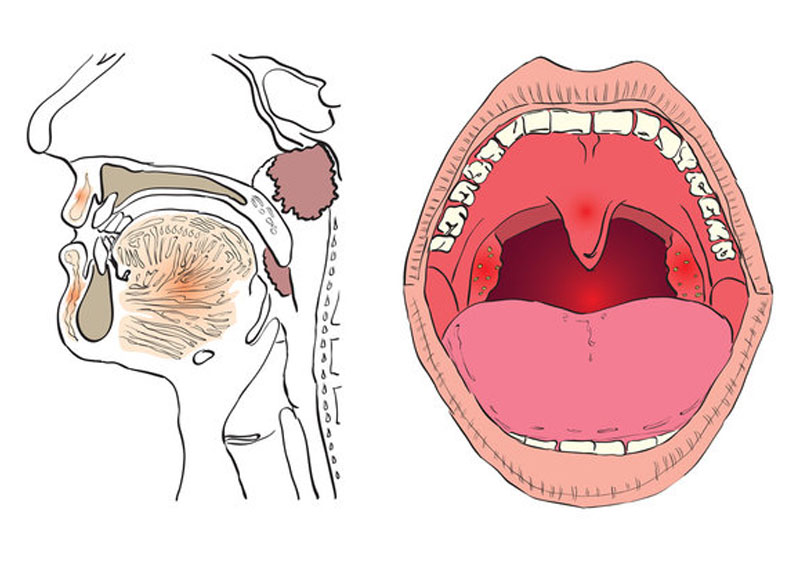
Adenoids are small glands located in the back of the throat, behind the nose. They are part of the immune system and help fight infections in children. However, sometimes the adenoids can become enlarged or infected, leading to various symptoms and requiring treatment. Here is an overview of adenoids and their treatment:
- Enlarged Adenoids: Enlarged adenoids can cause symptoms such as nasal congestion, difficulty breathing through the nose, snoring, sleep disturbances, recurrent ear infections, and speech problems. If these symptoms persist or significantly impact a child's quality of life, treatment may be recommended.
- Medications: In some cases, mild adenoid enlargement can be managed with medications. Nasal sprays or decongestants may be prescribed to reduce swelling and improve nasal breathing. Antibiotics might be prescribed if there is an infection.
- Adenoidectomy: Adenoidectomy is a surgical procedure to remove the adenoids. It is the most common treatment for persistent or severe symptoms caused by enlarged adenoids. Adenoidectomy is typically performed under general anesthesia, and the adenoids are removed through the mouth using specialized instruments. The procedure is relatively short, and most children can go home the same day.
- Recovery: After an adenoidectomy, it is common for children to experience a sore throat, mild pain, and earache for a few days. It is important to follow the surgeon's post-operative instructions, which may include pain management, rest, a soft diet, and avoiding certain activities. Most children recover within a week and experience significant improvement in their symptoms.
Adenoidectomy is generally considered a safe and effective procedure with a low risk of complications. However, as with any surgery, there are potential risks, such as bleeding, infection, or breathing difficulties. It is essential to discuss the benefits and risks of adenoidectomy with an ENT specialist (otolaryngologist) to determine the most appropriate treatment approach for a child with enlarged or infected adenoids.