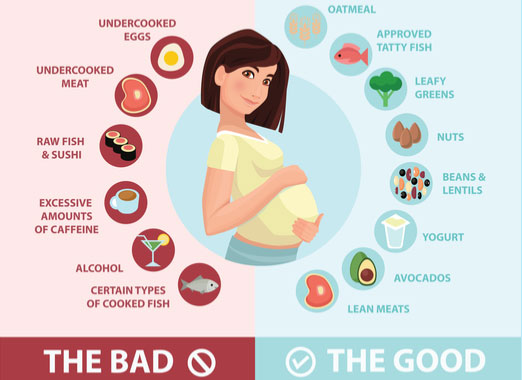
If you're pregnant or thinking about getting pregnant, you probably already know the most basic pregnancy advice: Don't smoke or be around secondhand smoke. Don't drink or consume other dangerous substances, and get your rest. (Sleep, after all, is important.) But what else do you need to know?
Maintaining a healthy pregnancy is crucial for the well-being of both the mother and the baby. Here are some tips to help you have a healthy and positive pregnancy:
- Start with preconception care: If you're planning to get pregnant, it's beneficial to start preparing your body beforehand. This includes taking prenatal vitamins with folic acid, eating a nutritious diet, maintaining a healthy weight, and avoiding harmful substances such as tobacco, alcohol, and drugs.
- Schedule regular prenatal care: Early and regular prenatal care is essential for monitoring the progress of your pregnancy and ensuring the well-being of you and your baby. Attend all prenatal check-ups, follow your healthcare provider's recommendations, and discuss any concerns or questions you may have.
- Eat a balanced diet: Focus on consuming a well-rounded diet that includes a variety of fruits, vegetables, whole grains, lean proteins, and healthy fats. Stay hydrated and limit your intake of processed foods, sugary snacks, and beverages. Talk to your healthcare provider about any necessary dietary modifications or supplements.
- Stay physically active: Engage in regular moderate-intensity exercise, unless advised otherwise by your healthcare provider. Activities such as walking, swimming, prenatal yoga, or low-impact aerobics can help improve circulation, maintain a healthy weight, boost mood, and prepare your body for labor. Always consult with your healthcare provider before starting or modifying an exercise routine during pregnancy.
- Get sufficient rest: Pregnancy can be tiring, so ensure you get enough sleep and rest throughout the day. Listen to your body and take breaks when needed. Use supportive pillows for comfort while sleeping, especially as your pregnancy progresses.
- Manage stress: Pregnancy can bring about various emotions and stressors. Find healthy ways to manage stress, such as practicing relaxation techniques (deep breathing, meditation, prenatal yoga), engaging in enjoyable activities, seeking support from loved ones, or considering prenatal counseling or support groups.
- Avoid harmful substances: It's important to avoid alcohol, tobacco, illicit drugs, and unnecessary medications that can be harmful to your baby's development. Always consult your healthcare provider before taking any medications, including over-the-counter and herbal remedies.
- Educate yourself: Read books, attend childbirth classes, and gather information about pregnancy, labor, and newborn care. Understanding the changes happening in your body and being aware of what to expect can help you make informed decisions and reduce anxiety.
- Practice good hygiene: Maintain good hygiene practices, such as regular handwashing, to reduce the risk of infections. Avoid exposure to harmful chemicals, toxins, and substances that may pose a risk to you or your baby.
- Reach out for support: Pregnancy can bring a range of physical and emotional changes. Seek support from your partner, family, friends, or healthcare professionals. Joining prenatal support groups or connecting with other expectant mothers can also provide a sense of community and support.
Remember, every pregnancy is unique, so it's essential to consult your healthcare provider for personalized advice and guidance throughout your pregnancy journey.