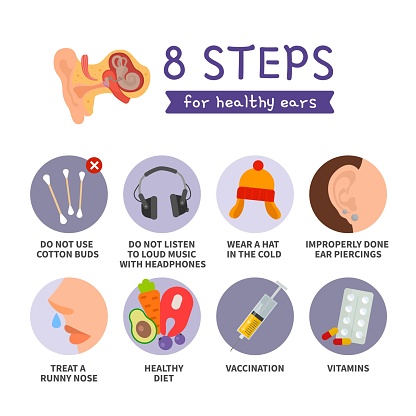
Here are some general ENT (Ear, Nose, and Throat) health care tips that can help maintain the health and well-being of your ears, nose, and throat:
Protect your ears: Avoid exposure to loud noises or wear ear protection, such as earplugs or earmuffs, in noisy environments. Prolonged exposure to loud sounds can damage your hearing.
Clean your ears properly: Use a gentle and safe method to clean your ears, such as using a damp cloth to wipe the outer ear. Avoid inserting objects like cotton swabs or sharp instruments into your ear canal, as they can push wax deeper or cause injury.
Maintain good nasal hygiene: Keep your nasal passages clean by rinsing them with saline solution using a neti pot or nasal irrigation system. This helps remove excess mucus, allergens, and irritants, reducing the risk of sinus infections and nasal congestion.
Prevent ear infections: Minimize the risk of ear infections by avoiding prolonged exposure to water in the ears (use earplugs while swimming), drying your ears thoroughly after showering or swimming, and treating underlying allergies or respiratory infections promptly.
Practice good respiratory hygiene: Cover your mouth and nose with a tissue or your elbow when coughing or sneezing to prevent the spread of respiratory infections. Wash your hands frequently with soap and water or use hand sanitizer.
Stay hydrated: Drink an adequate amount of water each day to keep your throat and nasal passages moist and to thin mucus secretions. Proper hydration helps prevent dryness and irritation in the throat and helps maintain overall respiratory health.
Avoid tobacco smoke and other irritants: Refrain from smoking or being exposed to secondhand smoke, as it can cause throat and lung problems. Additionally, minimize exposure to environmental pollutants and irritants that can affect your respiratory system.
Manage allergies: If you have allergies, identify and avoid triggers, such as pollen, dust mites, or pet dander. Consider using allergy medications or consulting an allergist for proper diagnosis and treatment.
Practice vocal hygiene: If you use your voice extensively, avoid shouting or straining your voice. Stay well-hydrated, rest your voice when needed, and practice proper vocal techniques to prevent vocal cord strain and voice problems.
Visit an ENT specialist: Regular check-ups with an ENT specialist are essential for preventive care, early detection, and management of any ear, nose, or throat conditions or concerns.
Remember that these tips are general guidelines, and if you have specific concerns or ongoing issues related to your ears, nose, or throat, it's important to consult with a healthcare professional, such as an ENT specialist, for personalized advice and appropriate treatment.